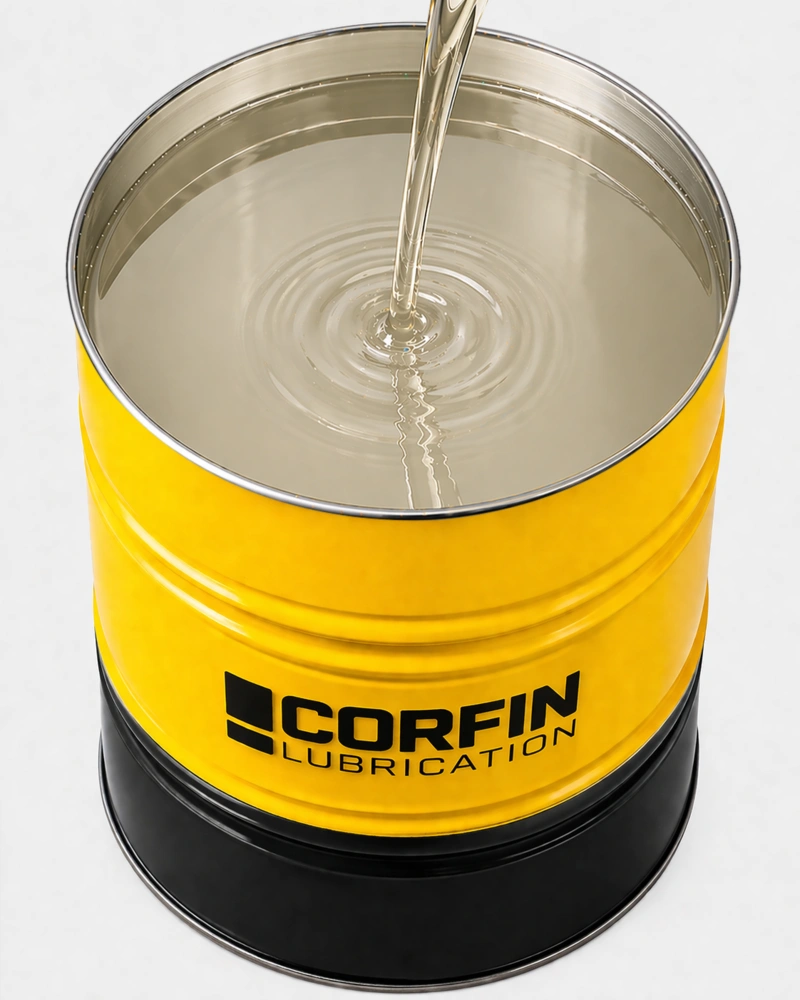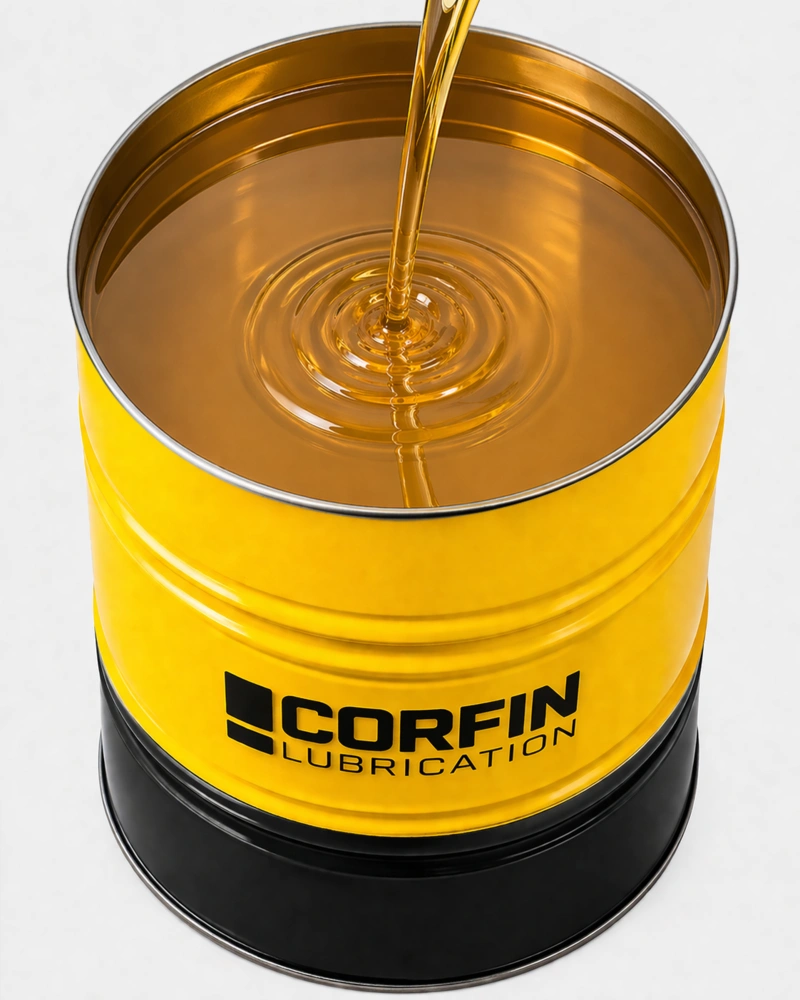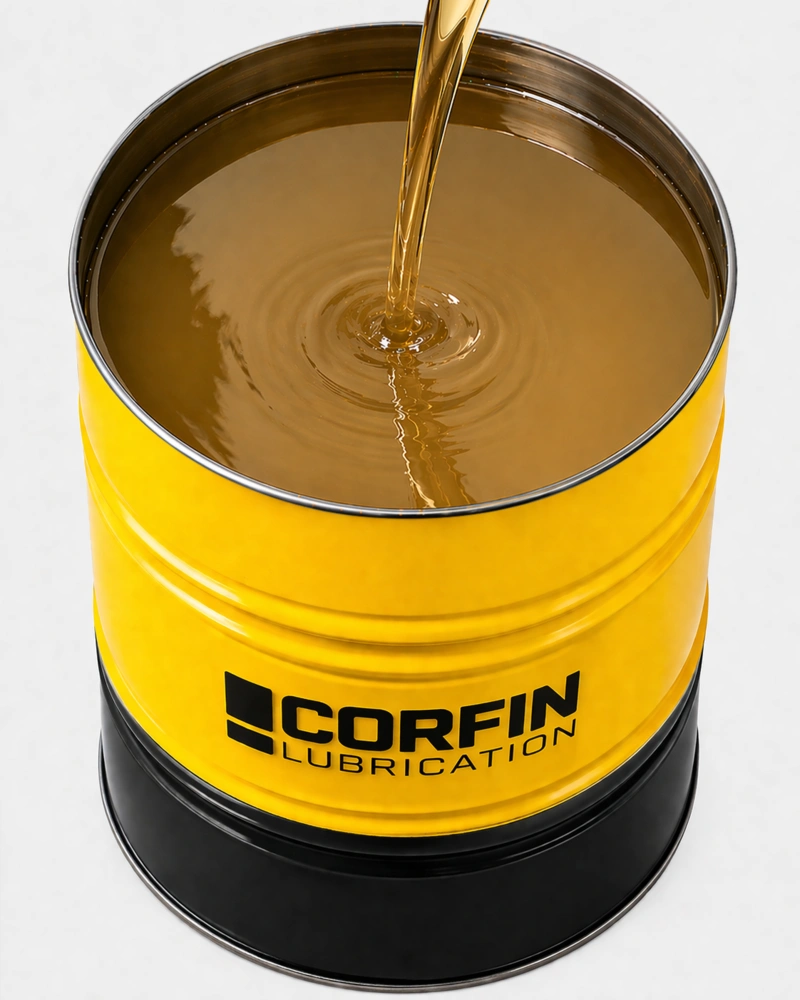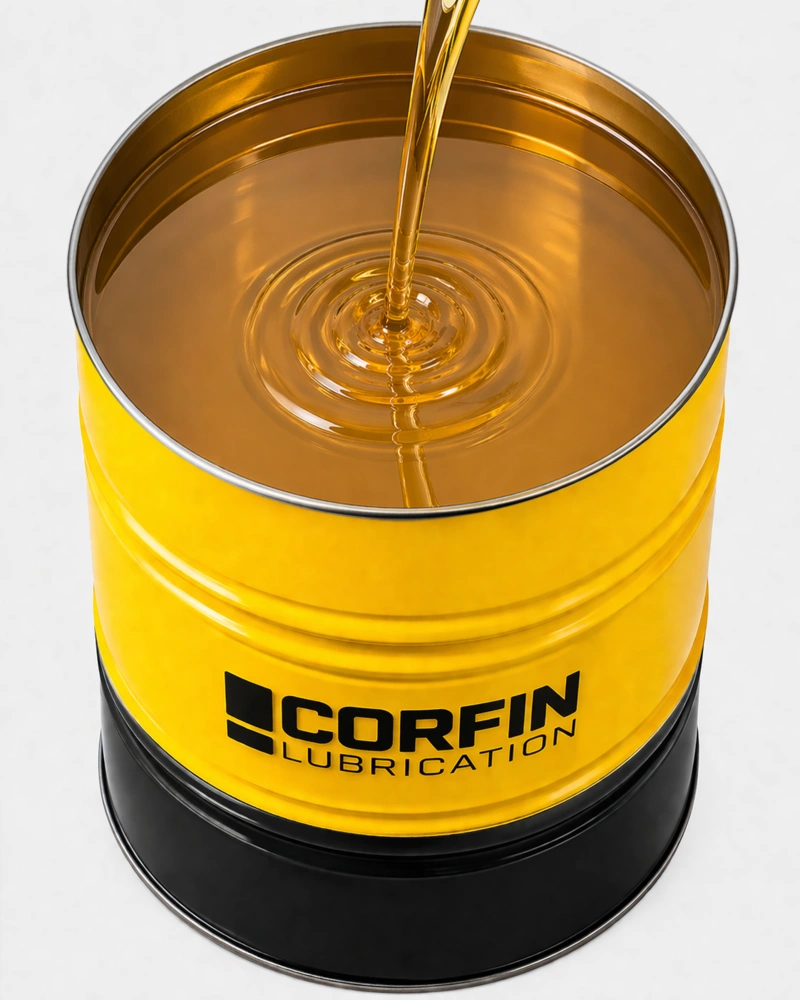
It is a high quality, synthetic based oil developed for screw and crawler type compressors. With its high performance additives and high quality base oils, it meets the specifications of leading compressor manufacturers.
Synthetic compressor oils are specially formulated to provide smooth operation over a wide temperature range and prevent wear. They are recommended for vacuum pumps, screw air compressors, rotary vane and screw compressors. They have a wide operating temperature range. High resistance to low temperatures and cold climates prevents performance degradation. It is a high performance lubricant with excellent oxidation and thermal stability. Prevents overheating due to special additives used in its formulation.
It has been developed to be used in the lubrication and cooling of all kinds of screw and crawler type compressors.
Compatible with sealing elements used in compressors.
In air compressors: Effective for lubrication of air compressors operating at high temperatures.
In vacuum pumps: Suitable for use in all moving parts of vacuum pumps.
It has been developed for use in the lubrication and cooling of all types of screw and vane compressors.
The technical specifications of CORFIN SNT KOMP oil, based on laboratory test results, are listed below. All values were measured under standard test conditions.
| ANALYSIS | STANDARD | 46 | 68 | 100 | |||||
| Appearance | Visual | Clear Bright | Clear Bright | Clear Bright | |||||
| Viscpsity (40 °C) | ASTM D445 | 46 | 68 | 100 | |||||
| Viscosity Index | ASTM D2270 | >120 | >120 | >120 | |||||
| Flash Point (°C) | ASTM 92 | >220 | >220 | >220 | |||||
| Pour Point (°C) | ASTM D97 | < -30 | < -30 | < -30 | |||||
| Copper Corrosion (3h – 100 °C) | ASTM D130 | 1A | 1A | 1A | |||||
| Density (20°C-g/ml) | ASTM D1298 | 0,850 | 0,850 | 0,850 |
Synthetic oils have a very high flash point. This allows your compressor to run longer at higher temperatures, helping to keep your machine healthy during critical demand periods. Reduced energy consumption is a natural consequence of this purity. Using a full synthetic will give you a significant reduction in rust, corrosion and varnish. In a centrifuge, varnish is the enemy of your bearing surfaces. It is imperative that these surfaces remain free of varnish. A reduction in bearing clearance or varnish buildup on the impeller can cause an increase in temperature, which can result in bearing damage, loss of efficiency or impaired airflow. A common myth in the industry is that synthetic oil is too expensive to use in the long term and does not provide a return on investment. In reality, the benefits that synthetic compressor oil brings not only to your machine, but to your overall operation, make up for any cost difference.
Oil is one of the essential elements that most air compressors need to run and operate smoothly, but trying to figure out which type of oil is best for your air compressor can be a hassle. After all, you don’t want to jeopardize the health of your unit by filling it with a type of oil that is not suitable for compressors. Technically, you can use motor oil to run an air compressor, but this type of oil typically contains detergents that will cause carbon buildup in the compressor unit. Instead, oil manufacturers have created oil specifically for detergent-free air compressors. Always check your compressor’s owner’s manual to determine if it is compatible with engine oil, but otherwise choose the safest path and use air compressor oil instead. Both regular and synthetic oil can be used for air compressors, the main difference between the two is price and efficiency. Synthetic oil is made from more refined base oils than regular blends and works more efficiently in an air compressor’s engine. Synthetic blends are also more reliable over a temperature range and less likely to overheat the unit. In this sense, you can easily use Corfin synthetic compressor oil in your compressors.
Visually, there is no difference. The two major differences between synthetic and conventional oils are more subtle. First, the way the oils are produced makes a clear distinction. Motor oils, for example, are petroleum-based lubricants that are thick at low temperatures and thin at high temperatures. To change this distinction, oil manufacturers use additives to change the properties of the oil, reducing its viscosity at lower temperatures and thickening it at higher temperatures. When first produced, conventional motor oil behaves like its synthetic counterpart, but over time the chemical additives break down or evaporate, returning the oil to its original consistency. Synthetic oils, on the other hand, are designed from the start to be a specific multi-grade oil. Even without additives, synthetic oil will not degrade or change viscosity; it may only thicken slightly due to contaminants.
In general, yes, synthetic oil has longer drain intervals. However, you should still follow the oil change recommendations in your equipment manual. You should also take your equipment in for more frequent oil changes when you first switch to synthetic oil because the equipment has probably accumulated sediment and sludge.




 Prevents sediment formation with zinc-free technology.
  Contact